
One PlanetUnity
We grow with our members as field researchers on the front lines of climate change — pairing environmental science with environmental anthropology to study how communities adapt, advocate, and act.
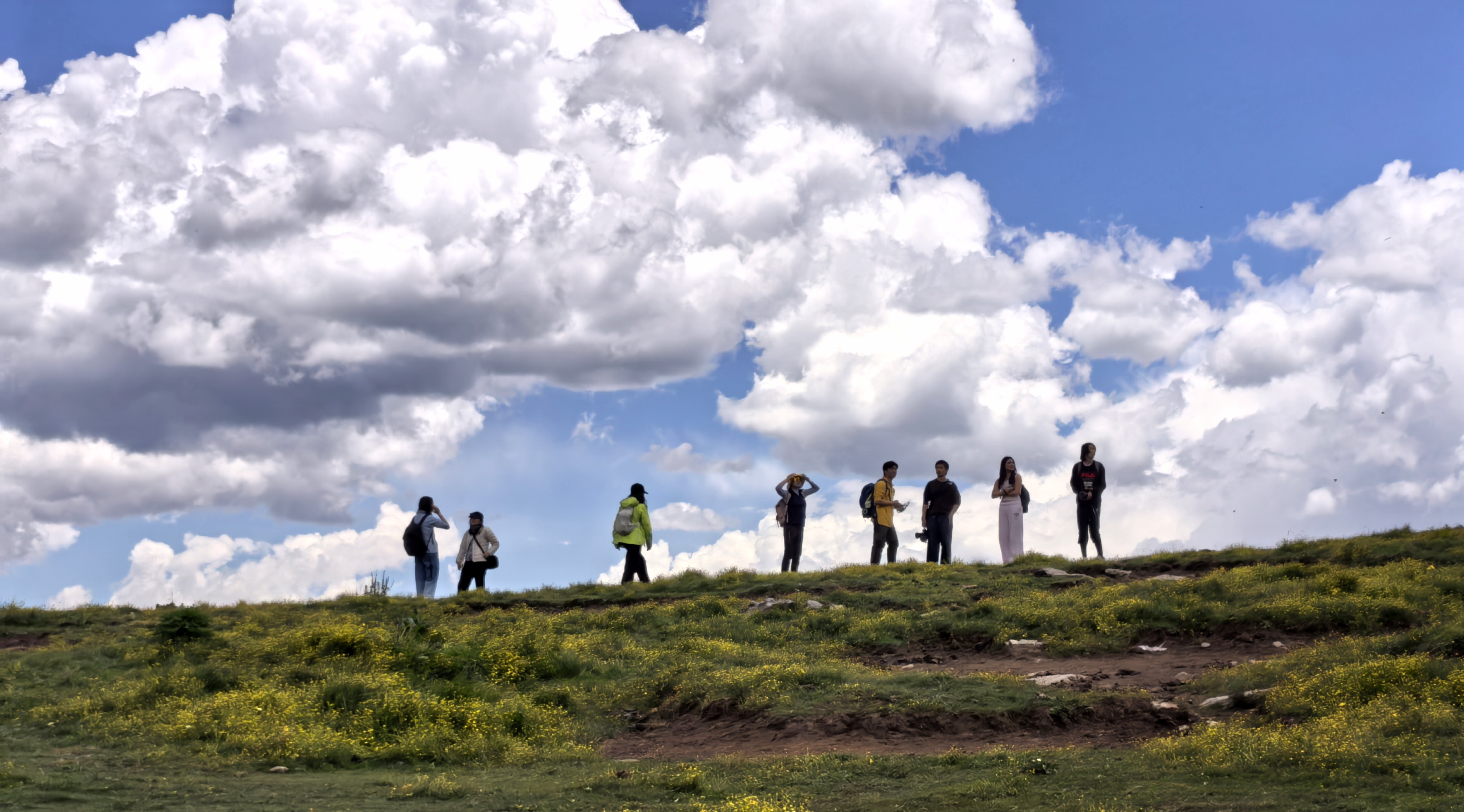
Field Lab at Mt. Gongga:Boundaries and Symbiosis
Jiagenba, Garzê, Sichuan · up to 4,500m on the Tibetan Plateau · July 20–27, 2026 · 8 days
For eight days, ten high-school researchers lived alongside Khampa pastoral communities at the foot of Mt. Gongga. We learned that climate change, cultural loss, and livelihood pressure cannot be understood from a classroom — they must be walked, observed, and interviewed. Working with a Living Buddha of Lenggu Monastery, folk artisans, herder families, and a former tech-executive estate steward, students produced their own field journals, research reports, micro-documentaries, design proposals, and policy recommendations. The cohort closed the trip by co-authoring the Snow Mountain Declaration, a youth statement on rangelands, adaptation, and the UN 2026 International Year of Rangelands and Pastoralists.
Ecology
Grassland degradation, plateau biodiversity, climate adaptation.
Livelihoods
Yak and highland barley economies, ecotourism boundaries, carbon & ecological compensation.
Culture
Khampa traditional ecological knowledge, cultural-symbol revival, intergenerational transmission.
From field notes to policy voice
One Planet Unity was founded by students who believe that the most urgent environmental problems are local, and that youth voice is strongest when it is grounded in real evidence. We are a student-led environmental research and advocacy collective. Our work combines environmental science and environmental anthropology: we measure ecosystems, listen to communities, and translate findings into public proposals and policy voice.
We do not do "everything sustainability." We focus on what we have actually done: embedded field research in mountain pastoral communities, youth-led waste reduction on campus, and peer advising for students who want to study environmental science.
Our researchers go on to present at UN-affiliated youth forums, environmental NGO briefings, and university admissions conversations — as both scientists and advocates.

What drives us forward
Global Perspective
Global problems, local evidence. We research where change actually happens.
Community-Centered
We work with the people affected, not about them.
Rigorous Inquiry
Field notes, data, and interviews before opinion.
Youth Voice
We turn findings into proposals the world actually reads.
Making impact through action
Four ways we turn field learning into action — from mountain herder interviews to cafeteria compost bins and kindergarten classrooms.
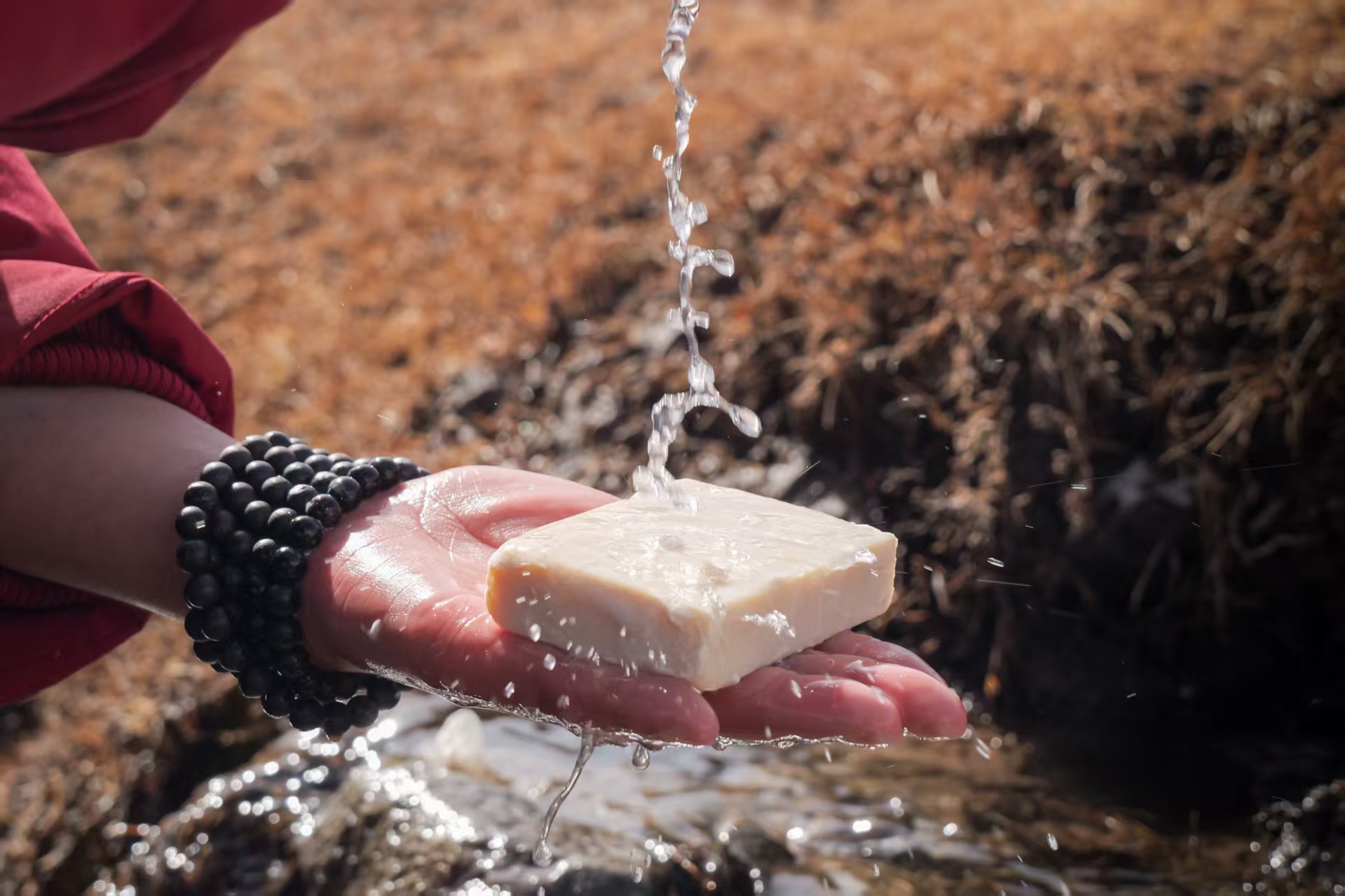
Revitalization of Tibetan Handicrafts
On the Eastern Tibetan Plateau, we witnessed climate change and ecological degradation push herder communities into direct conflict with wildlife — blue bears, snow leopards. We co-founded Revitalization of Tibetan Handicrafts to sell Khampa handicrafts directly to global buyers, channeling income back to the households we studied. To date the program has raised $1,200 for local families and our team has conducted 20 structured herder interviews on shifting wildlife populations, environmental change, and how livelihoods are transforming.

Campus Composting Lab
We turn cafeteria food scraps — vegetable peels, fruit peels, eggshells, coffee grounds — and TCM herbal dregs into nutrient-rich compost. Students run the tumbler bins and monitor temperature, moisture, pH, and carbon-to-nitrogen ratio in real time (our last reading: 48.4°C and climbing). Finished compost feeds campus greening or is donated to local farms.

Young Naturalists: Kindergarten Entomology Workshops
We designed and taught a hands-on science curriculum for local kindergarteners — what makes an insect (three body parts, six legs, two antennae), plus stories and crafts around butterflies, bees, ants, and dragonflies. Students lead the lessons themselves, turning ecological observation into the next generation's curiosity.

Get involved
Sustainability Summit
Hear from industry leaders and activists about the future of sustainability.
Meet the team
Dedicated student leaders working together to drive positive change on campus and beyond.
Founder
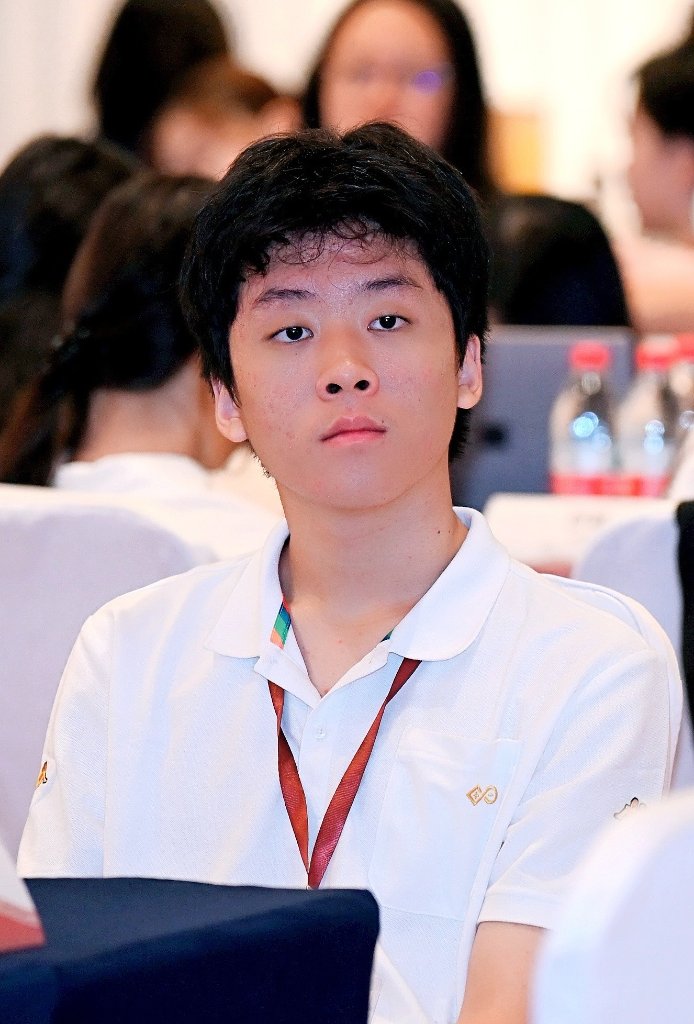
Jinshan Dai
Founder & Chairman
from Beijing National Day School
School Managers
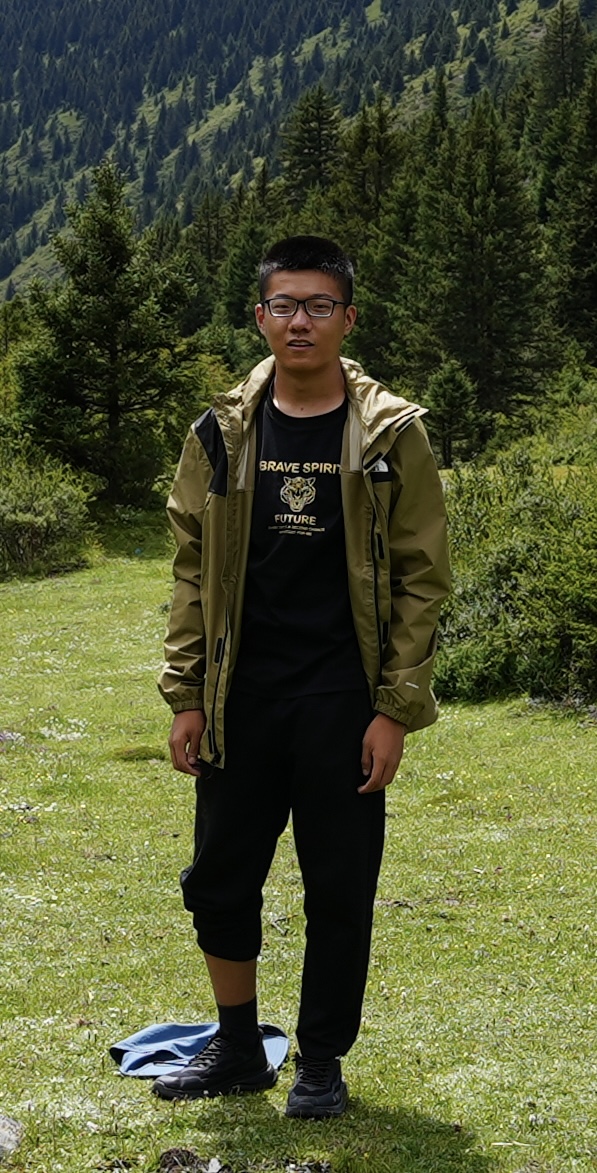
Bolin Li
School Manager
from Experimental High School Attached to Beijing Normal University

Ruohong Wu
School Manager
from The High School Affiliated to Renmin University of China-International Curriculum Center

Fengrui Yao
School Manager
from Beijing No. 101 Middle School International Department
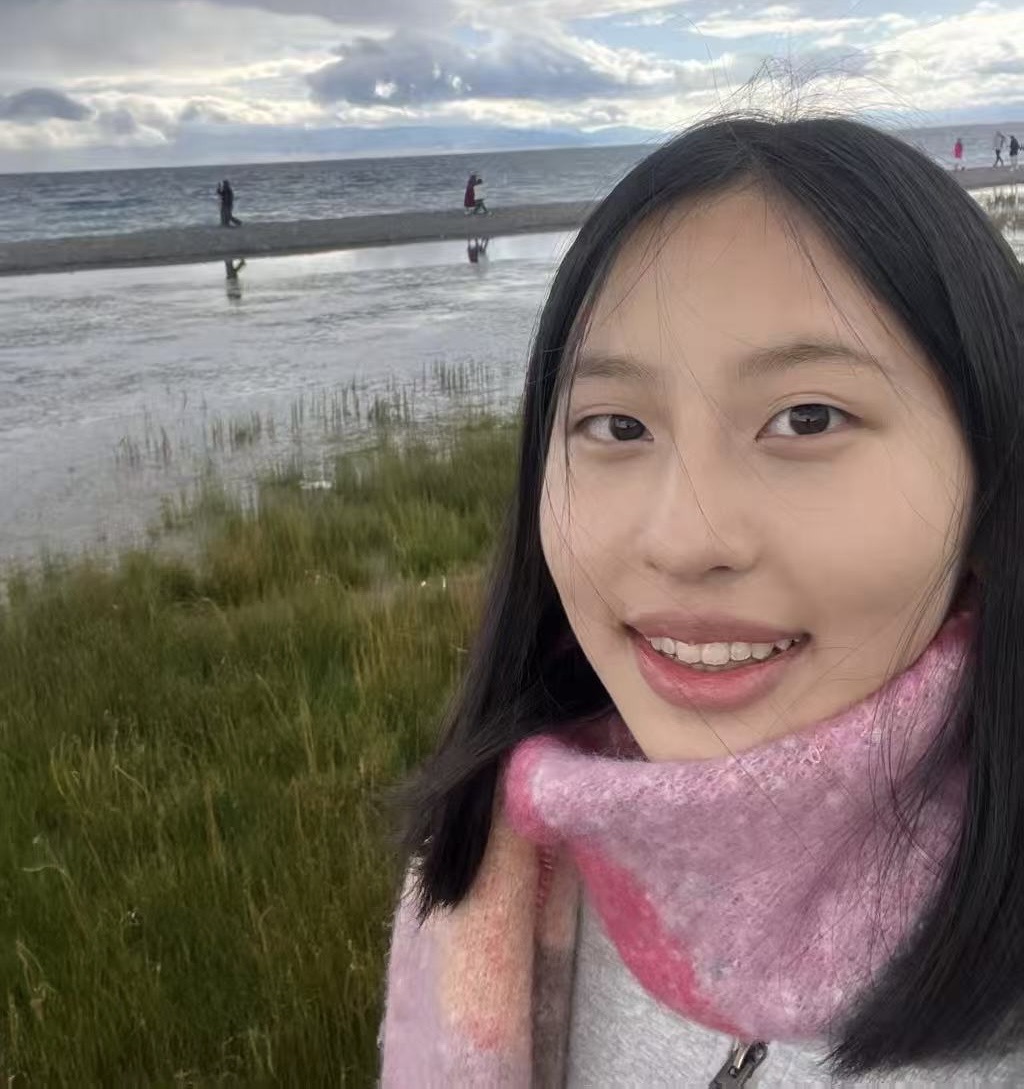
Zhiyu Chen
School Manager
from Beijing National Day School

Shufan Zeng
School Manager
from Blair Academy

Qiwen He
School Manager
from Beijing Huijia Private School
Mentors
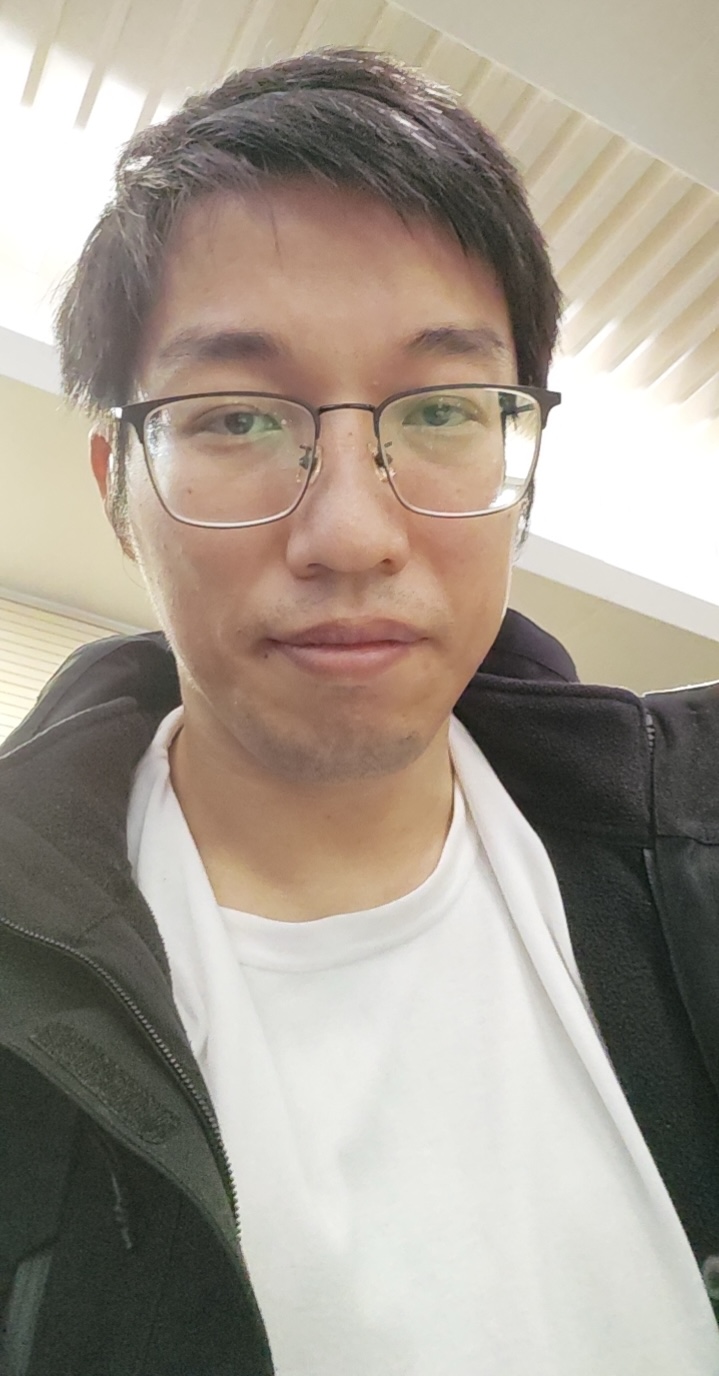
Dr. Kece FEI
Male, Ph.D.
Senior Engineer, National Key Laboratory of Earth System Numerical Modeling and Application, Institute of Atmospheric Physics, Chinese Academy of Sciences.
Dr. Fei's research focuses on the development of Earth system models, the development of atmospheric chemistry and aerosol models, and model evaluation. He is a core member of the R&D team for China's first open-source Earth system model—the Chinese Academy of Sciences Earth System Model (CAS-ESM), the lead developer of the atmospheric chemistry and aerosol component model IAP-AACM, and a key member of the "Earth System Numerical Simulation Facility," a major national science and technology infrastructure under the 12th Five-Year Plan.
Dr. Fei has long been committed to the development of a self-reliant and controllable "atmospheric chemistry and aerosol model." In the IAP-AACM component model, he has added emissions of large-sized sea salt aerosols and improved the simulation of East Asian dust. In addition, he has participated in the R&D of CAS-ESM, primarily responsible for the improvement of the atmospheric chemistry component. He took part in the Coupled Model Intercomparison Project Phase 6 (CMIP6) and, as a key contributor, completed the DECK baseline experiments, future scenario experiments, and DAMIP experiments, among others.

Qun LUO (Annyta)
Head of Assurance and Review Management, The Gold Standard Foundation
Annyta (QUN) Luo is a seasoned voluntary carbon-market specialist with over 18 years of progressive experience spanning Clean Development Mechanism (CDM) projects and Gold-Standard global assurance and certification work. Holding a Master's degree in Structural Engineering from Central South University, she brings robust civil engineering technical foundations, with practical proficiency in CAD and Photoshop.
Currently serving as Head of Assurance and Review Management at The Gold Standard Foundation, Annyta oversees full review lifecycles for carbon offset and sustainable-development projects. She leads cross-functional technical sub-teams covering energy and nature-based solutions, governs the global expert roster, ensures compliance with GS4GG environmental and social safeguards, and drives data-informed process optimisation to expand carbon-market accessibility without compromising integrity. Previously as Director of Certification at SustainCERT, she optimised end-to-end certification workflows, managed multi-member teams, delivered business performance reporting, and acted as the key liaison with technical advisory bodies and NGO partners.
Throughout her career, Annyta has consistently championed capacity building and talent development. She designs training programmes, facilitates regular technical knowledge-sharing sessions, and mentors internal officers, independent reviewers and project developers across the Asia-Pacific region. With hands-on experience covering project portfolio management, methodology development, stakeholder coordination and commercial project delivery, she bridges technical engineering expertise with carbon-market governance, contributing to credible and resilient voluntary-carbon-market development globally.

Limin GU
Associate Professor, College of Agriculture, Hebei Agricultural University
Dr. Limin Gu is an Associate Professor whose research focuses on the physiology and ecology of high-yield, high-efficiency crop water and nutrient management. She earned her PhD in Agriculture in 2014 from Shandong Agricultural University, majoring in Crop Cultivation and Farming Systems. From October 2014 to October 2020 she worked at the Institute of Food Crops, Henan Academy of Agricultural Sciences, and since 2022 she has been at the College of Agriculture, Hebei Agricultural University.
Her main research areas and academic achievements include leading seven national and provincial-level projects, among them a Youth Fund project of the National Natural Science Foundation of China, a sub-project of the National Public Welfare Industry (Agriculture) Science and Technology Program, a sub-project of the National Key R&D Program, and a project of the Hebei Provincial Key R&D Program. She has also participated in five further projects, including key R&D programs, the Hebei Provincial Key R&D Program, and the Hebei Provincial Modern Agricultural Industry System project. She has published 10 SCI papers, holds 5 authorized patents, contributed to 2 local standards, and received a first prize for Agricultural Technology Extension in Hebei Province.
Ready to make a difference?
Join One Planet Unity and become part of a community dedicated to creating positive change. Every member makes a difference.
Sign up for updates
Stay informed about events, initiatives, and opportunities to get involved.
By signing up, you agree to receive occasional emails from One Planet Unity. You can unsubscribe at any time.

